From student project to sustainable family home
Overview
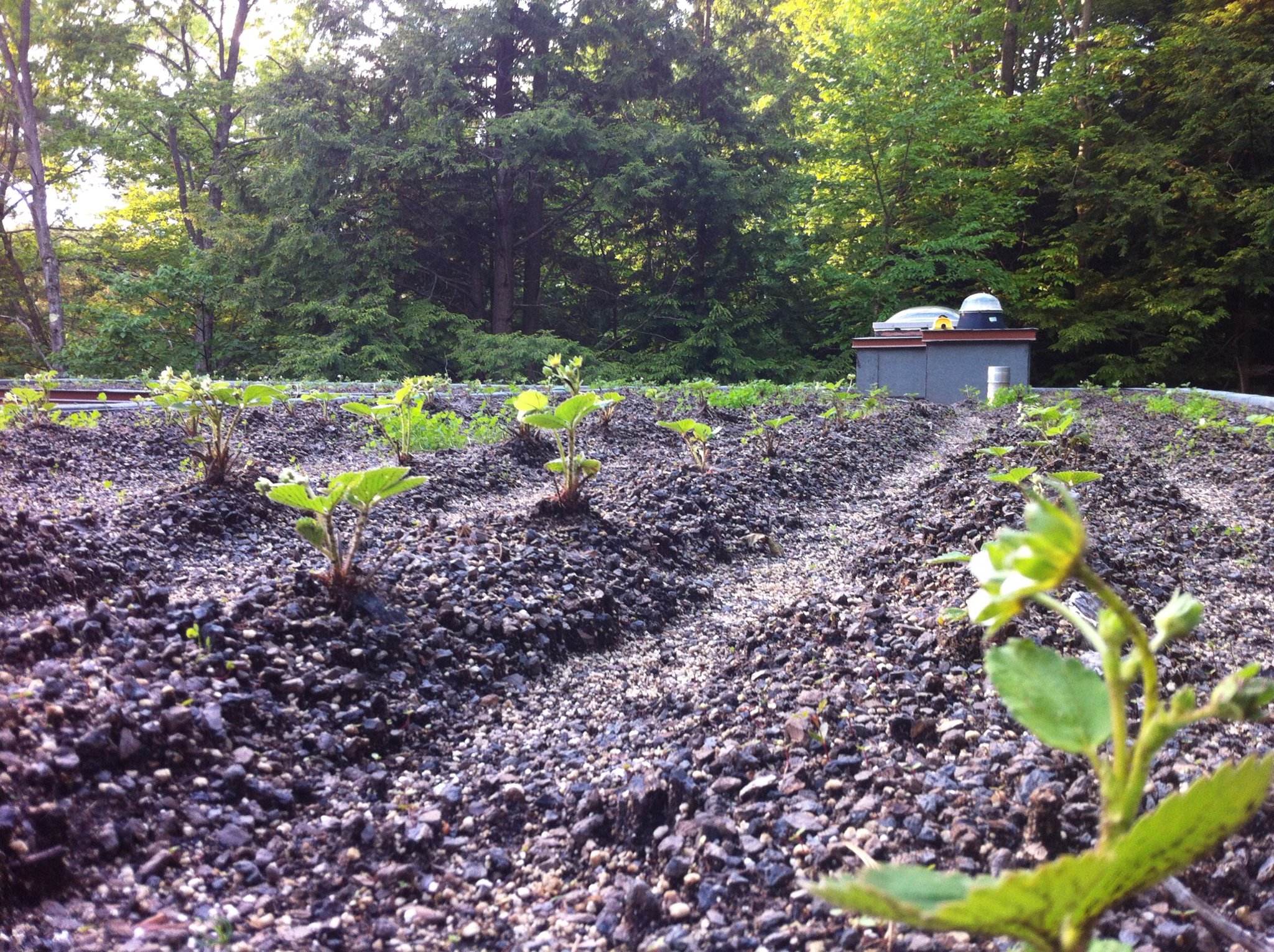
The Henley House Project is a residential project in Austin, Quebec, designed to replace an older cottage with a modern, ecological dwelling. The project started as a group independent study in the Design department at Concordai University in the the fall of 2004 The home utilizes passive solar design through strategic orientation, an L-shaped layout, and a “chimney effect” for natural air circulation. The structure features a high-efficiency masonry fireplace integrated with a radiant floor heating system, rock wool insulation throughout, and a vegetative roof that provides natural cooling and even produces fruit. Sustainability is further reinforced by a robust focus on reclaimed materials—including wood and glass from the original cottage and recovered flooring from Montreal—and an advanced on-site waste management system that filters wastewater into clean run-off.
Team
Arrien Weeks: Researcher, designer, builder, project manager and general contractor
Academic
pk Langshaw (Design department Chair in 2004), Lydia Sharman (project supervisor)
Student Researchers
Avi Charzan, Marie-Eve Bélanger, Serge Canuel
Professionals
François Lafontaine, original architect (died August 2005)
Luc M. Allard, archiect, took over the project in fall 2005
Serge Bolduc, general contractor
Antoine Trottier, green roofer
Tools used
Table saw, mitre saw, scaffolding, surface planer, pneumatic nailer, circular saw, power drills
Materials
Reclaimed Wood and Salvaged Structures
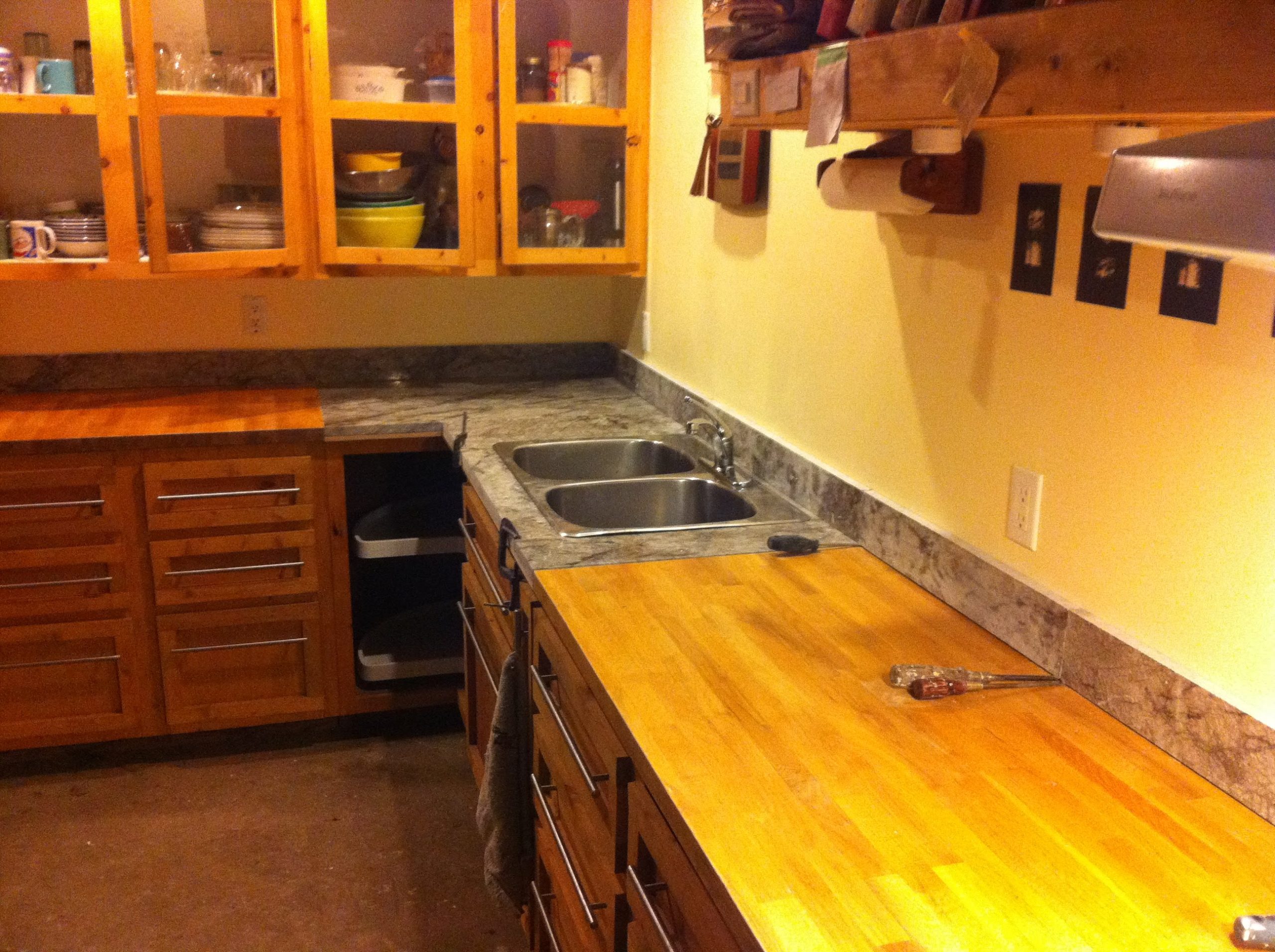
- Original Cottage Materials: The kitchen cabinets were built using wood and glass salvaged from the previous cottage.
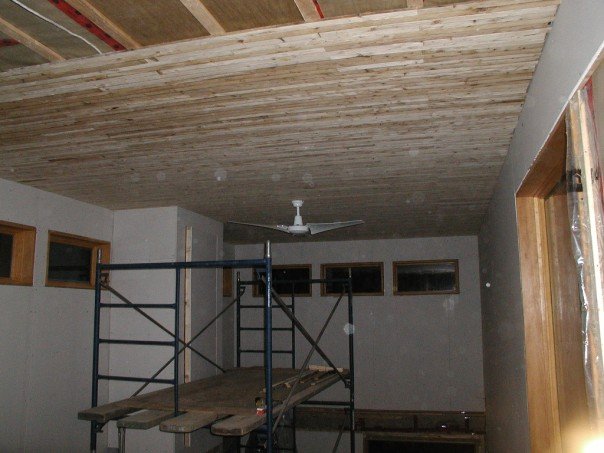
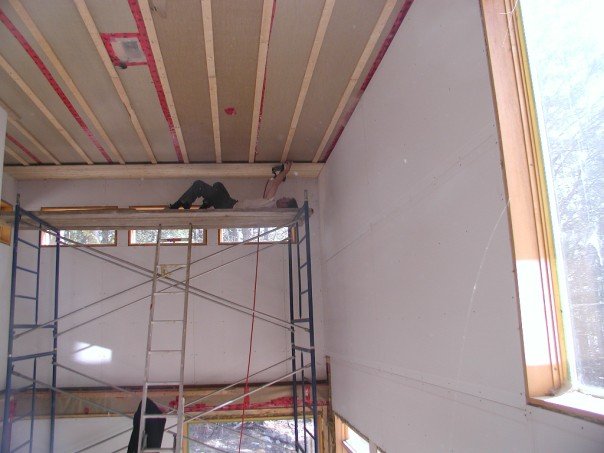
- Ceiling Laths: Half-inch laths used for the kitchen and open area ceilings were cut from 2x4s belonging to the original structure.
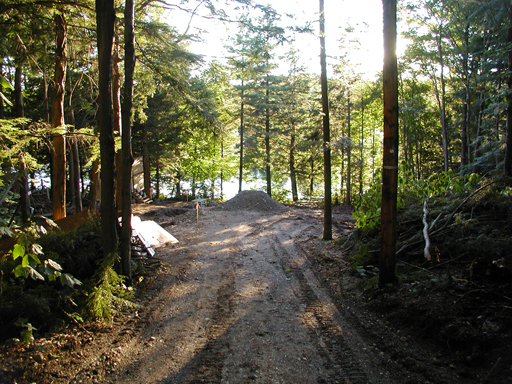
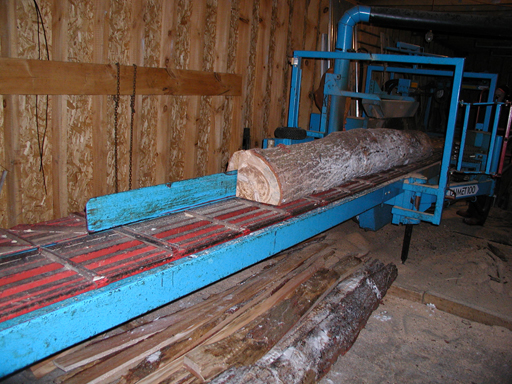
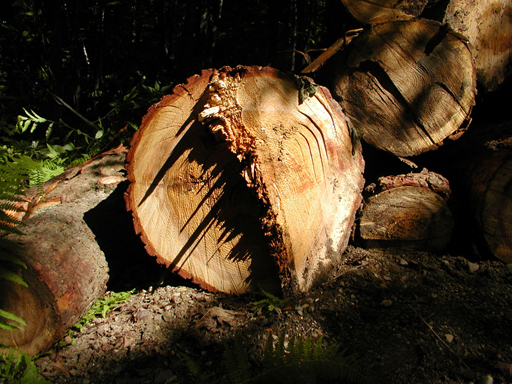
- Harvested Hemlock: The house is sheathed in hemlock boards that were harvested from the trees cut down to clear the building site. They became the siding.
- Interior Flooring: The upstairs floor features oak and birch wood recovered from a house being gutted in Montreal’s NDG neighborhood.
- Recuperated masonry bricks: The masonry mass heating system is faced with bricks recovered from the Week’s former home in Montreal.
Recycled Glass and Stone
- Windows: Three bathroom windows were salvaged from the old cottage.
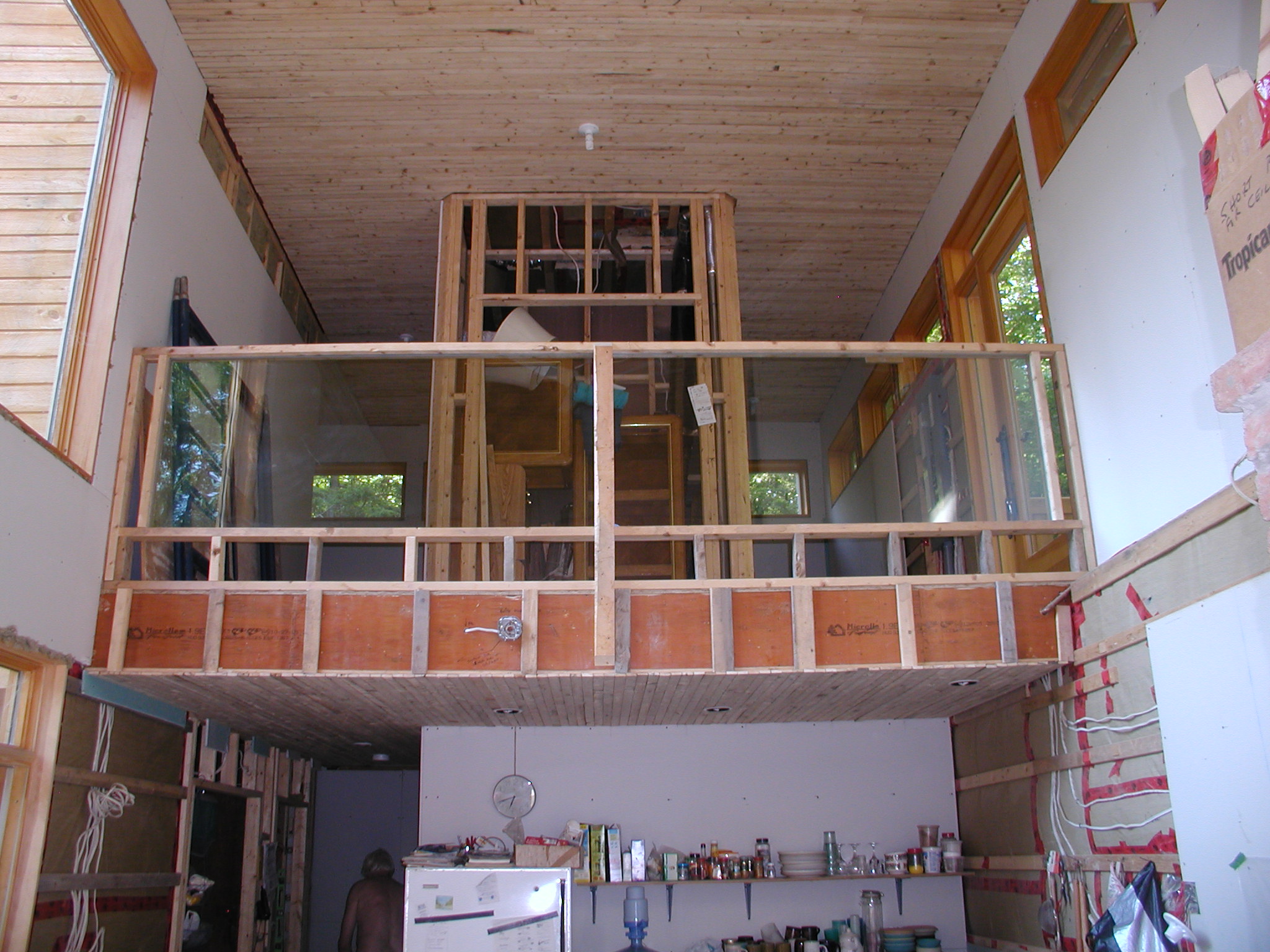
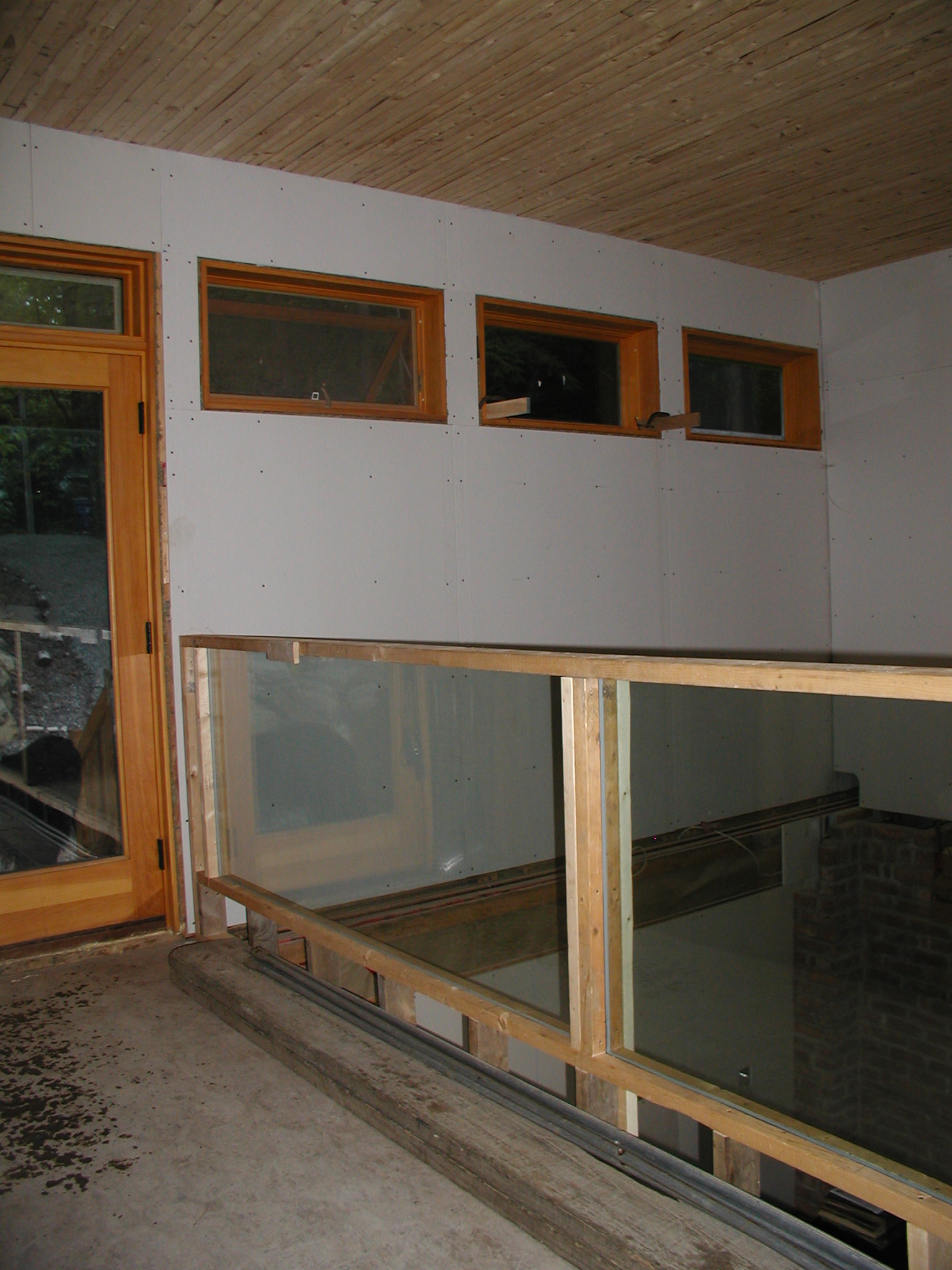
- Glass Barriers: The second floor utilizes recycled patio glass for its two glass barriers.
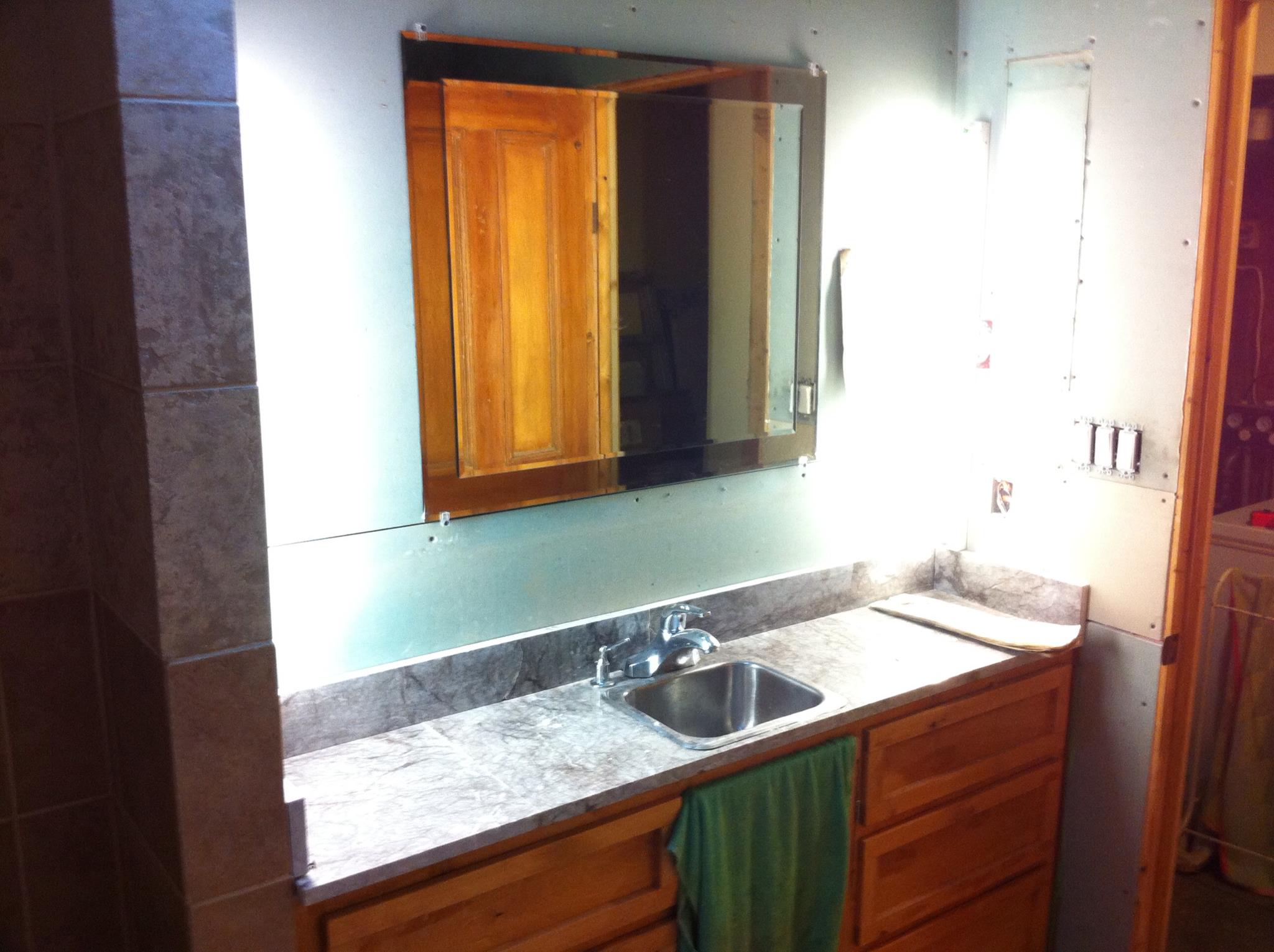
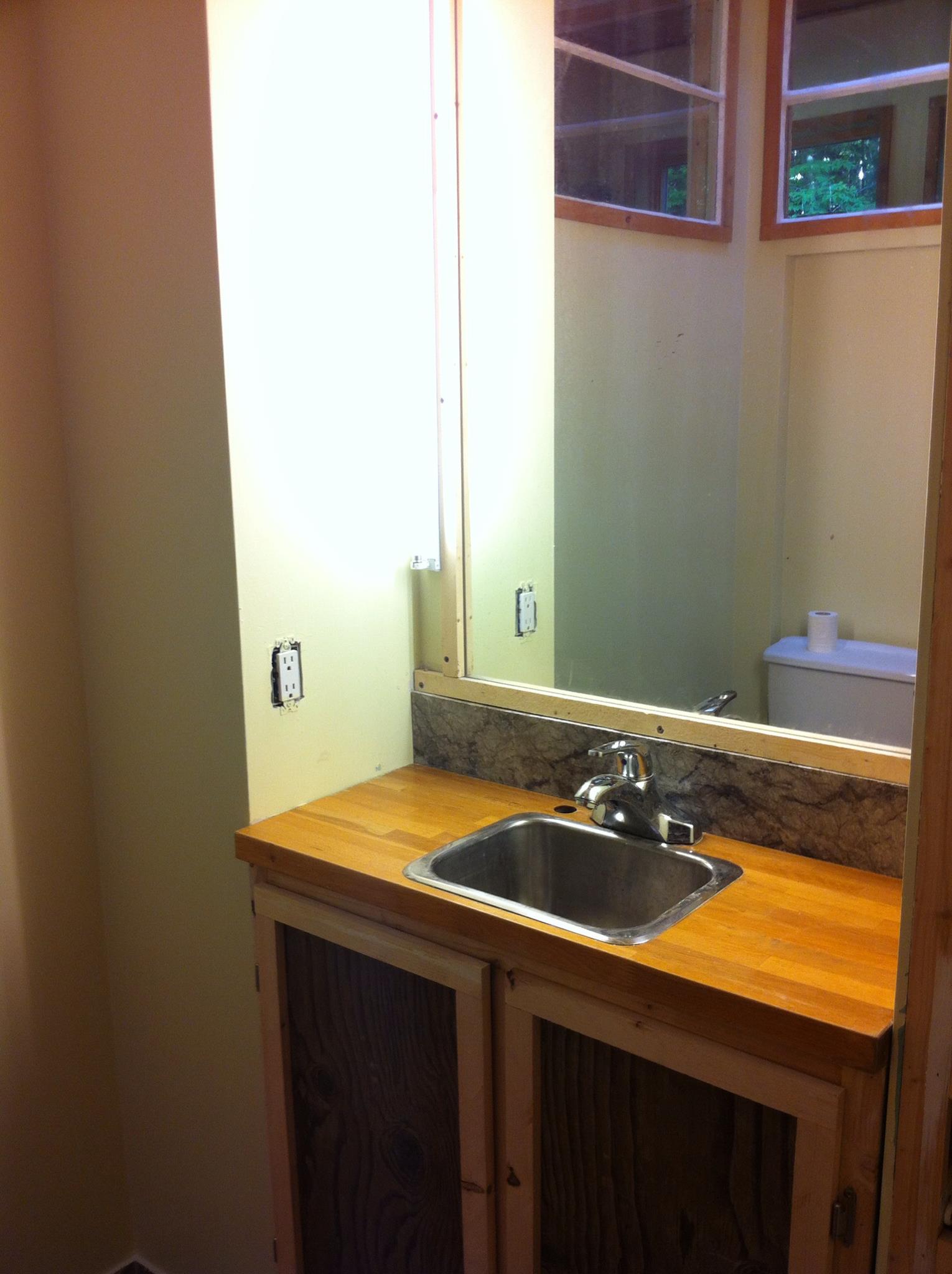
- Countertops: Surfaces in the kitchen and bathrooms are made from recycled marble and butcher block.
Recycled Manufactured Goods
- Entryway Tiles: The tiles at the upper entrance are composed of 40% recycled content.
Material Sources
Matériaux usagés de l’Estrie
Materiaux & Surplus Lefebvre
Waste Management System
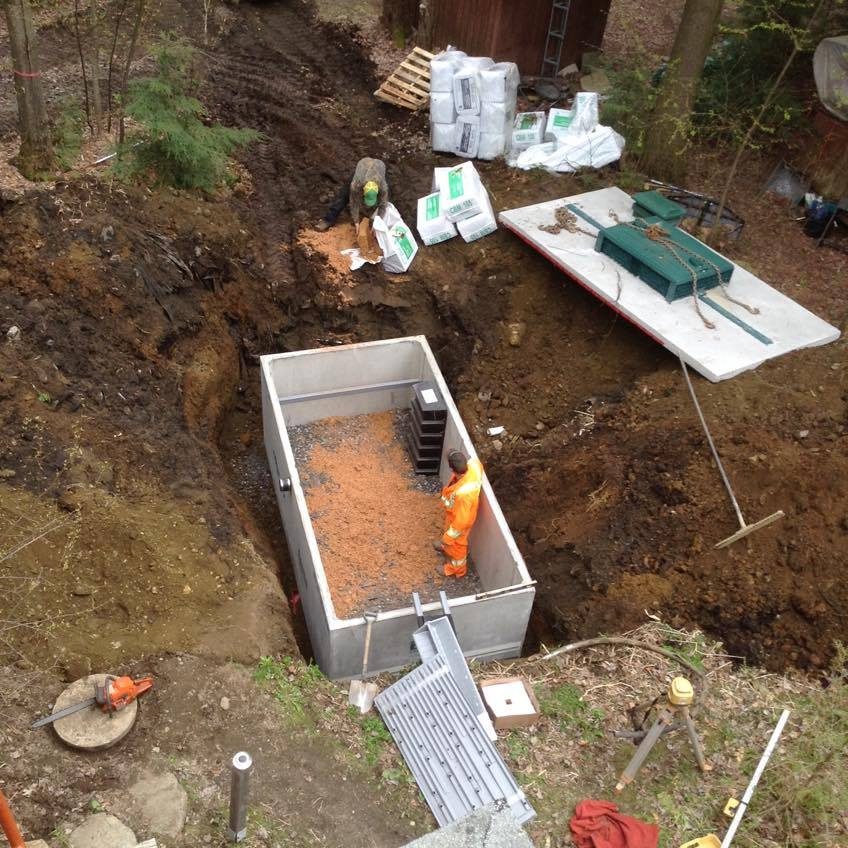
- Initial Collection: All liquid and solid waste is piped from the house into a primary septic tank.
- Solid Waste: Solids accumulate in the tank and are emptied by the Municipality of Austin every three years.
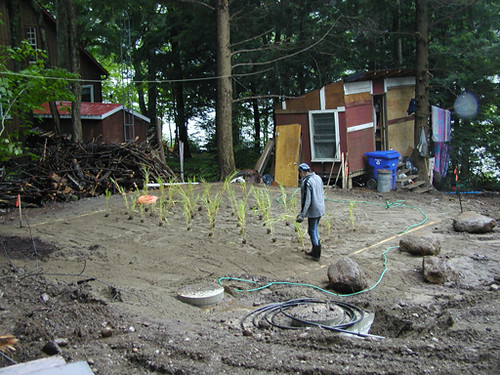
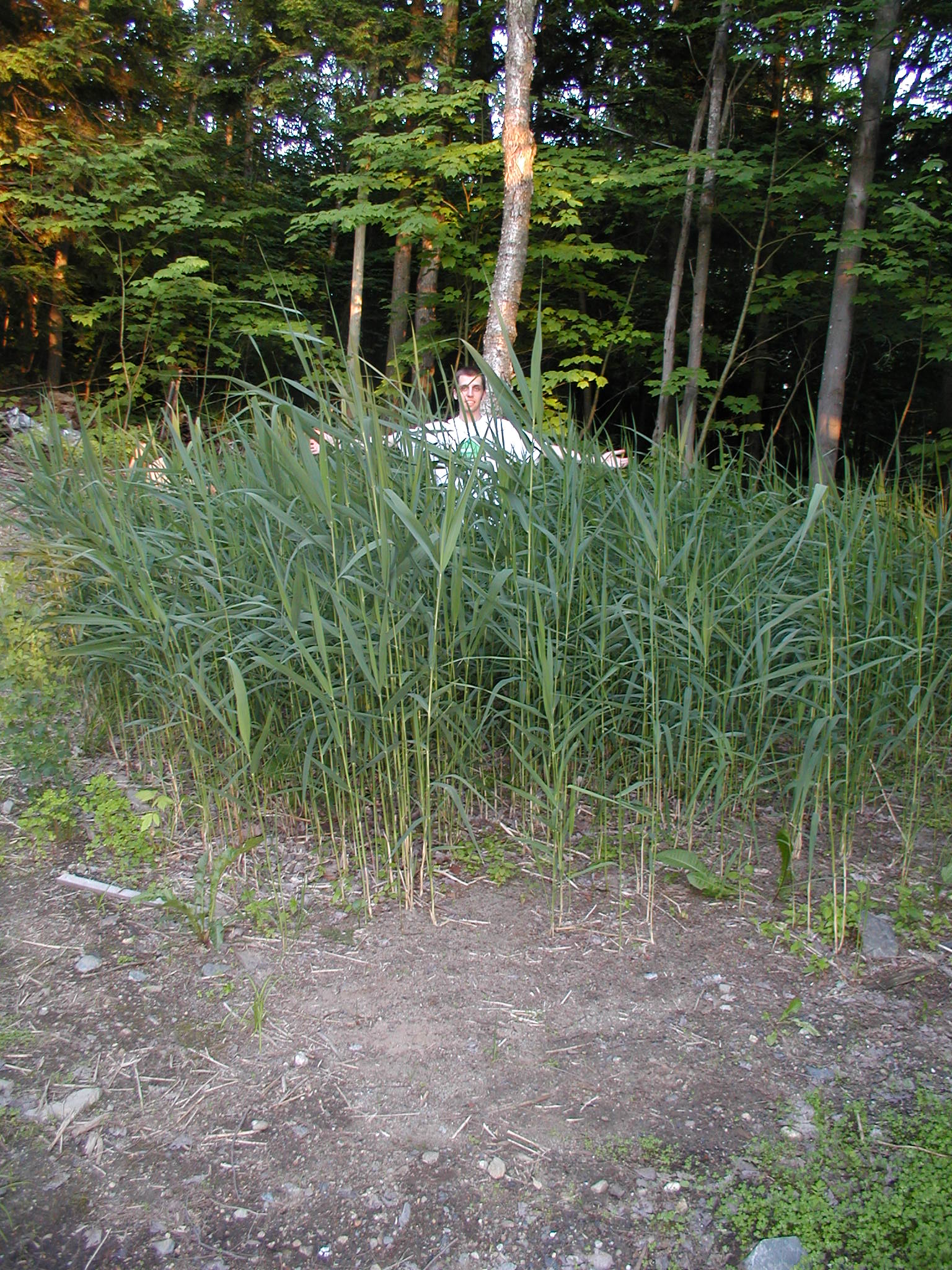
- Liquid Filtration (The Reed Field): Liquid waste is directed to a specialized reed field located next to the composter, which acts as a natural filter.
- Secondary Purification: Run-off from the reed field undergoes further filtration in a “polishing field” situated on a lower level of the property.
- In 2017 due to poor positioning for the reeds to thrive, the system was changed out for an EcoFlo system.
Heating and Cooling
Passive Heating Techniques
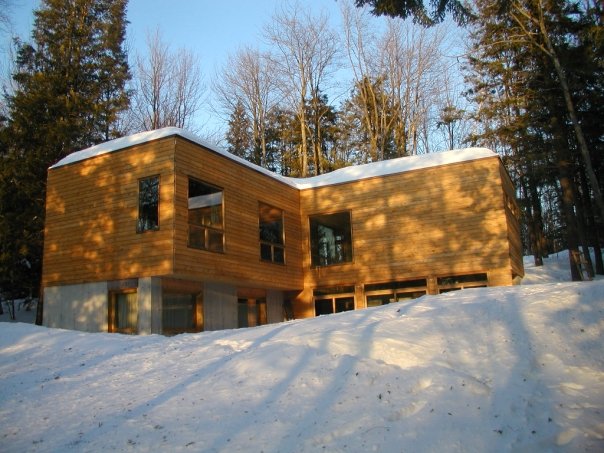
- Solar Orientation: The house is an L-shape facing south and west to capture the strongest sun.
- Thermal Mass and Glazing: Large doors and windows are positioned to maximize passive solar energy, while all glass is designed to retain heat once it enters the building.
- Insulation: Every wall is insulated with rock wool to an R-value of 35, and the colder northern and eastern walls have minimal window openings to prevent heat loss.
- Earth Sheltering: The first level is half-buried in the uphill slope, which uses the earth’s natural thermal mass to stay warm in winter.
Passive Cooling Techniques
- Ground Cooling: The partially buried lower level helps the building remain naturally cool in the summer.
- Natural Shading: The upper bedrooms are designed to overhang the lower ones, providing natural shade during the peak of summer.
- The “Chimney Effect”: For air circulation, small bedroom windows are opened to force stale air through door transoms and out of high windows on the north wall.
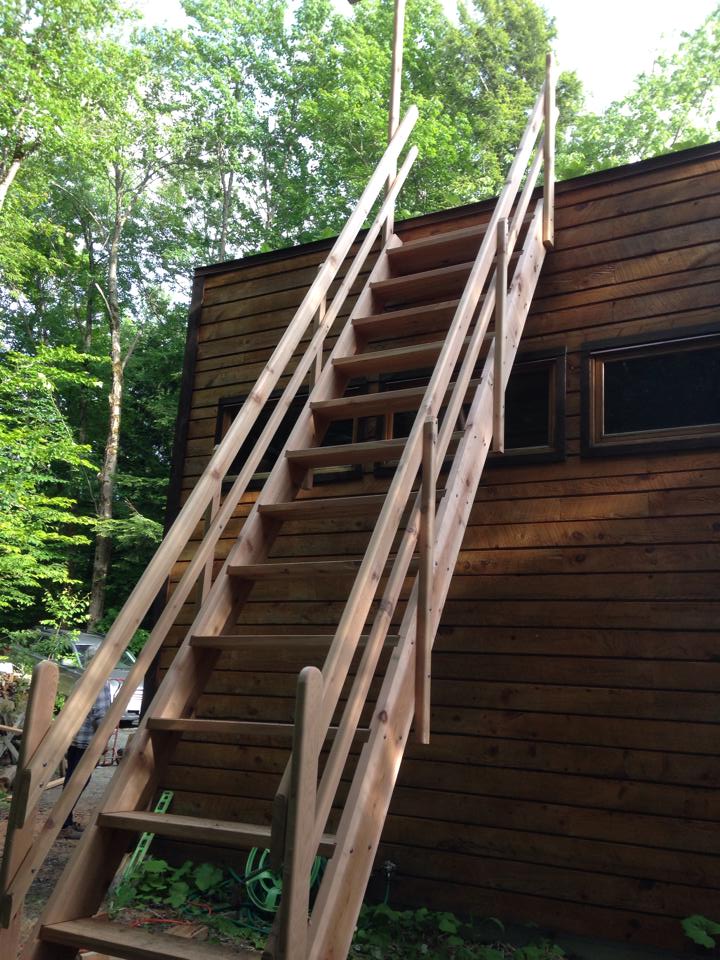
- Vegetational Roof: A green roof installed in 2011 helps keep the interior cool during hot July days.

Accessibility
During the construction of the frame of the house in the Fall of 2005, we made sure to add extra wall structure in areas where we might need grab bars in the future. Twenty years later we are starting to integrate grab bars around the house due to aging parents.
Outcome and impact
Since first breaking ground in 2004, the Henley house has impacted both the local and wider community in different ways.
November 20th, 2015
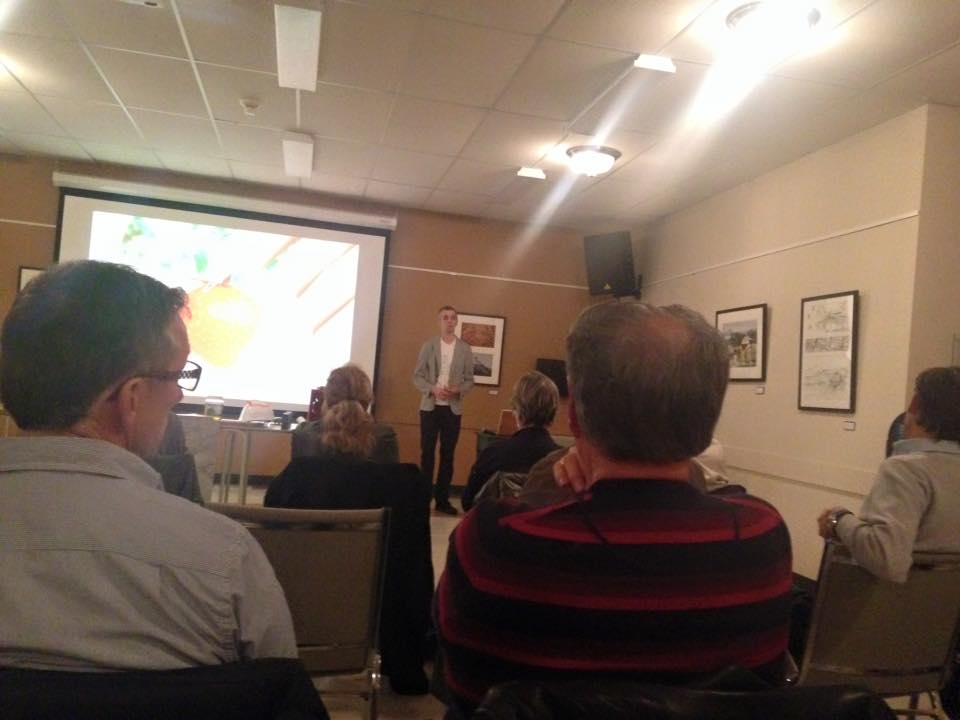
Arrien and Graham Weeks present the project at Austin(Québec) city hall as part of the Soirée Passion.
October 24, 2006
Arrien gives a presentation with Q&A in the McGill School of Architecture as part of their Brown Bag Lunch Lecture series.
Retreat location
As a way to be in nature and be inspired by a ecological building, the fee-levy group held their annual winter retreat at the Henley House for a number of years.
Leave a Reply